The UK construction industry is built on a foundation of rigorous safety standards. Whether you are just starting to take on more responsibility or you are managing an entire site, understanding the hierarchy of safety training is essential. Two of the most common acronyms you’ll encounter are SSSTS (Site Supervisor Safety Training Scheme) and SMSTS (Site Management Safety Training Scheme).
While both fall under the CITB (Construction Industry Training Board) Site Safety Plus umbrella, they serve very different roles. Choosing the wrong one can lead to gaps in legal compliance or, conversely, sitting through a high-level management course that doesn’t quite fit your daily boots-on-the-ground tasks.
In this guide, we will break down the differences, the legal requirements, and how modern online SSSTS training and SMSTS options have changed the way professionals get certified.
Understanding the SSSTS: For the Rising Supervisor
The SSSTS is specifically designed for those who have, or are about to acquire, supervisory responsibilities. If you are a team leader, a “ganger,” or a foreman, this is your primary point of entry into formal safety leadership.
The course focuses on the practicalities of the law. It isn’t just about quoting regulations; it’s about understanding how to monitor site activity to ensure everyone goes home safe. During Online SSSTS Training, participants learn how to conduct effective toolbox talks, how to spot hazards before they become accidents, and how to communicate safety protocols to a diverse workforce.
Because this course is tailored for supervisors, it bridges the gap between the workers on the tools and the management in the office. It provides the confidence needed to step up and tell a colleague to stop an unsafe practice—a transition that many find difficult without formal training.
Understanding the SMSTS: For the Site Leader
The SMSTS is the big brother of the SSSTS. It is intended for project managers, site managers, and business owners. While the supervisor monitors the work, the manager plans it.
The SMSTS covers the legislative framework in much greater depth. It delves into the Health and Safety at Work Act, CDM (Construction Design and Management) Regulations, and the high-level legal responsibilities of a company. If you are the person responsible for signing off on risk assessments and method statements (RAMS) for an entire project, the SMSTS is non-negotiable.
Key Differences: At a Glance
| Feature | SSSTS | SMSTS |
| Target Audience | Supervisors, Team Leaders, Foremen | Site Managers, Project Managers, Owners |
| Duration | 2 Days | 5 Days |
| Focus | Monitoring and On-site Supervision | Planning, Organizing, and Monitoring |
| Certificate Validity | 5 Years | 5 Years |
The Evolution of Online Training
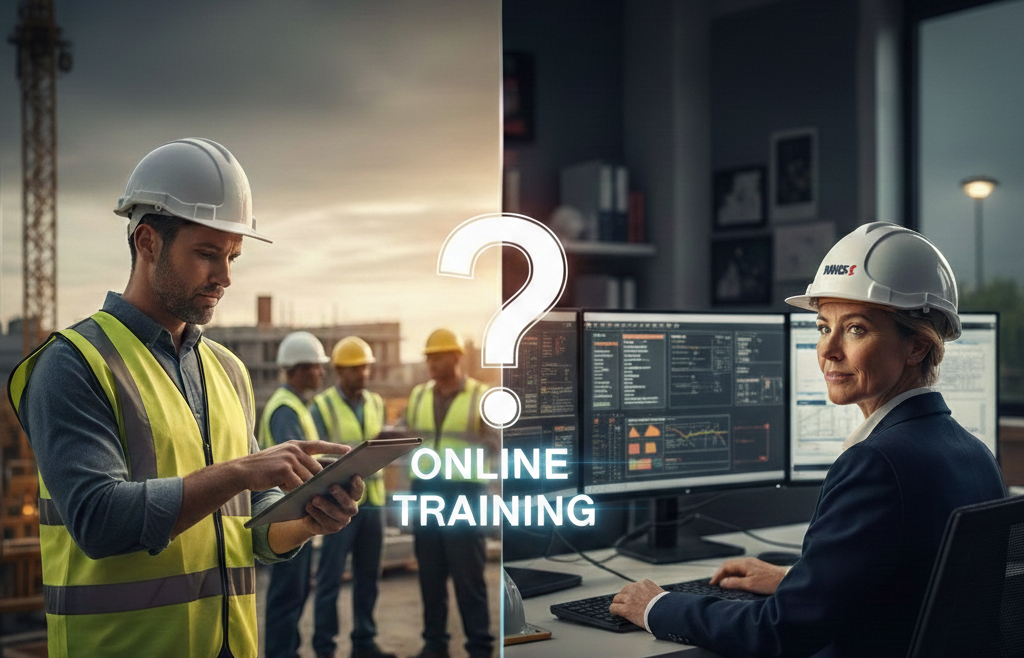
In recent years, the shift toward digital learning has transformed the construction sector. Many professionals initially worried that the “hands-on” nature of site safety wouldn’t translate to a screen. However, online SSSTS training has proven to be incredibly effective.
By using live-streamed, tutor-led sessions, candidates can engage in real-time debates and group exercises. The benefit of taking an online SSSTS training course is the flexibility; workers can often join from a home office or a quiet site cabin, reducing travel costs and time away from the project. This accessibility has led to a significant increase in the number of supervisors getting certified, which ultimately makes the entire industry safer.
Safety Beyond the Certificate
While SSSTS and SMSTS provide the structural knowledge for site safety, they are often part of a broader training ecosystem. Safety isn’t just about heights and electricity; it’s also about immediate response. For instance, a supervisor who has completed their online SSSTS training might also find it invaluable to hold emergency first aid training. Having a supervisor who understands both site hazards and emergency first aid training creates a much more resilient safety net for the crew.
Legal Responsibilities and Compliance
Under the CDM 2015 regulations, contractors have a legal duty to ensure that anyone they appoint to lead a project or supervise a team has the necessary “skills, knowledge, and experience.”
Holding an SSSTS or SMSTS certificate is the industry-standard way to prove that competency. Without these, a company may find it difficult to secure contracts with major developers, as most Tier 1 contractors require these certifications as a prerequisite for even stepping onto the site.
If you are currently a supervisor looking to validate your skills, enrolling in Online SSSTS Training is often the fastest way to align yourself with these national standards. It ensures you understand the modern legal landscape, including how to manage occupational health issues like silica dust or noise vibration—topics that are frequently updated in the CITB curriculum.
Which One Should You Choose?
The decision usually boils down to your current job description and your five-year plan.
- Choose SSSTS if: You spend most of your day on the site floor, directing small teams, and need to know how to enforce safety rules practically. Online SSSTS training is the perfect starting point for those moving into leadership.
- Choose SMSTS if: You are responsible for the entire site’s safety policy, budgeting for safety equipment, and dealing with health and safety inspectors.
Many professionals start with online SSSTS training, gain a few years of experience as a supervisor, and then “level up” to the SMSTS when they move into a full management role.
The Role of Continuous Professional Development (CPD)
Safety is not a “one and done” task. Because regulations evolve, both the SSSTS and SMSTS require a refresher course every five years. However, waiting five years to update your knowledge is risky.
Staying proactive—whether through regular toolbox talk updates or taking an online SSSTS training refresher early—keeps the information fresh. When you participate in Online SSSTS Training, you aren’t just ticking a box for a plastic card; you are engaging with the latest accident statistics and prevention methods that could save a life on your next shift.
Frequently Asked Questions
Yes as long as the course is delivered by a CITB-approved provider via a live-streamed classroom (like Zoom or Teams), the certificate is identical to the one earned in a physical classroom. Online SSSTS training is fully recognized by employers and major contractors.
Yes, there is no mandatory requirement to complete the SSSTS before the SMSTS. However, if you have no previous management experience, the SMSTS can be quite intense. Starting with Online SSSTS Training provides a solid foundation.
If your SSSTS or SMSTS certificate expires, you cannot take a short “Refresher” course. You will have to sit the full 2-day or 5-day course again. It is highly recommended to book your refresher well before the expiry date.
While it covers how to plan for emergencies, it does not provide a full first aid qualification. Many supervisors choose to supplement their online SSSTS training with a separate first aid course to ensure they can handle physical injuries on-site.
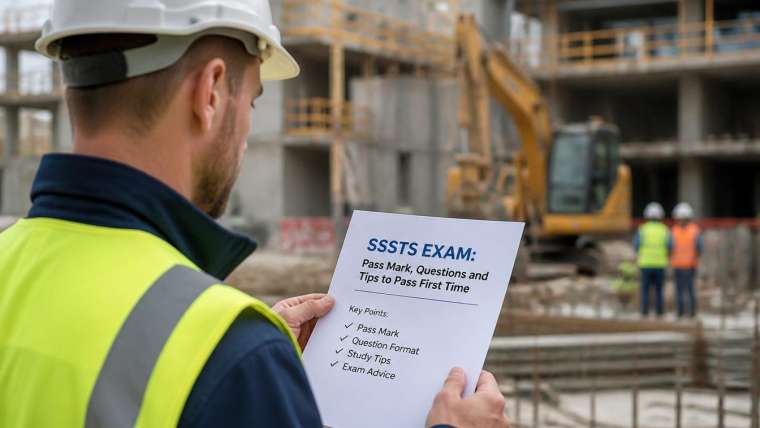
The exam is conducted digitally at the end of the course. It is usually a multiple-choice paper overseen by the tutor via webcam to ensure the integrity of the testing process.
Once you pass your Online SSSTS Training, the CITB usually processes the digital certificate within a few weeks, though you will often receive a notification of your results much sooner.