
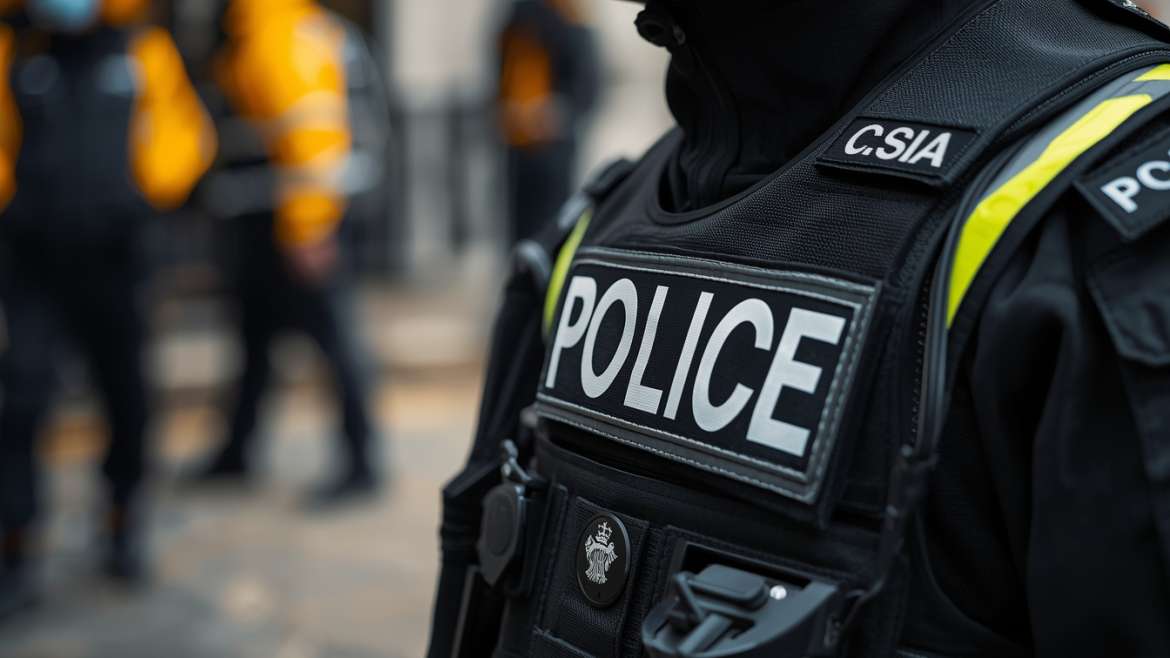
The security industry in the UK is currently experiencing a period of rapid professionalization. With the enforcement of new safety legislation and a heightened focus on public protection, the demand for qualified personnel has reached a record high. If you are looking to change careers or enter the workforce for the first time, obtaining an SIA (Security Industry Authority) license is your mandatory first step.
In 2026, the process is more than a simple background check. It requires specific physical and theoretical training designed to meet modern threats. This guide outlines exactly how to navigate the current requirements and move from an applicant to a professional on the frontline.
Identify Your Specific Career Path
Before you book any training, you must determine which sector of the security industry suits your goals. The SIA issues different licenses for different roles, and the qualifications are not always interchangeable.
Door Supervision
This remains the most popular and versatile license. As an sia door supervisor, you can work in licensed premises (like bars and clubs), but you are also authorized to work in retail, corporate security, and at major events. If you want the broadest range of job opportunities, this is the path to take.
Security Guarding
A security guard license is specifically for those working in non-licensed environments. This includes construction sites, office complexes, and distribution centers. Note that a security guard cannot work in a venue that serves alcohol; if you think you might ever want to work at a festival or a stadium, the door supervisor license is a better investment.
CCTV Operations
For those who prefer a surveillance-based role, the Public Space Surveillance (CCTV) license is required. This involves monitoring cameras in control rooms for local authorities or private security firms. Although it is a less physical role, it demands high levels of concentration and technical aptitude.
Meet the Pre-enrollment Requirements
The SIA has strict entry criteria that you must satisfy before you even step into a classroom. In 2026, there is zero flexibility on these points.
- Age and Right to Work: You must be at least 18 years old and hold a valid right to work in the UK.
- English Language Proficiency: You must be able to communicate effectively in English. This includes reading, writing, and oral communication, as you will need to write incident reports and coordinate with emergency services.
- First Aid Qualification: This is a critical requirement. Before you can start your SIA training, you must hold a valid Emergency First Aid at Work (EFAW) certificate or higher. The certificate must be valid for at least 12 months from the start of your security course.
Complete Your Accredited Training
Once you have your first aid certificate, you can book your course. At JFK Tech, we focus on delivering high-spec training that exceeds the minimum SIA standards and ensures you are prepared for the realities of the job.
The duration of the training depends on your chosen path:
- Door Supervisor: Typically a 6-day course covering unit modules like Conflict Management and Physical Intervention.
- Security Guard: Usually a 5-day course.
- CCTV Operator: Generally a 3-day course.
Expect a mix of classroom learning and practical assessments. You will be tested on your ability to search individuals, manage crowds, and use physical force legally and safely.
The Application Process: Step-by-Step
After passing your exams and receiving your certificate, you can begin the formal application on the SIA website.
1. Create an SIA Online Account
Visit the official SIA portal and register your details. Ensure your five-year address history is accurate and has no gaps, as this is the most common cause of application delays.
2. Pay the License Fee
As of April 2026, the standard application fee is £184. This fee is non-refundable. If you are applying for a second license (for example, you already have CCTV and now want door supervision), you may be eligible for a 50% discount on the second fee.
3. Identity Verification at the Post Office
Most applicants will be directed to a participating post office. You must bring your original identity documents (passport, driver’s license, and proof of address). The staff will verify your documents, take a digital photograph, and record your signature. These are sent electronically to the SIA.
Criminal Record and Background Checks
The SIA conducts an “Enhanced” Disclosure and Barring Service (DBS) check. They look for any criminal history that might suggest you are a risk to the public.
Having a criminal record does not automatically disqualify you. The SIA uses “published criteria” to judge offenses based on how long ago they occurred and the nature of the crime. However, violent offenses, dishonesty, or drug-related convictions within the last few years will likely result in a refusal.
Starting Work and Career Progression
Once your license is granted, you will receive a physical card in the post. You are legally required to wear this visibly at all times while on duty.
Finding Your First Role
The UK is currently seeing a surge in demand for security professionals due to Martyn’s Law, which mandates better protection for public venues. This means more roles are available in event security and venue management. When applying for jobs, highlight your specific training from JFK Tech to demonstrate that you understand these new legal duties.
Planning Your Career Growth
The security industry offers significant room for advancement. Many people start as door supervisors and then move into the following roles:
- Team Leadership: Managing a squad of guards at a large site.
- Close Protection: Working as a bodyguard for high-net-worth individuals.
- Security Consultancy: Advising firms on risk management and physical security infrastructure.
Conclusion
Obtaining an SIA license in 2026 is a rewarding investment in a stable, growing industry. By following the correct training path, ensuring your first aid qualifications are up to date, and maintaining a clean professional record, you can secure a high-paying role in a matter of weeks.
The security landscape is evolving, and employers are looking for the best-trained candidates to meet new safety standards. Don’t leave your career to chance by choosing subpar training.
Start Your Career Today
Are you ready to get licensed? JFK Tech provides the expert-led training you need to pass your exams and enter the workforce with confidence.
Book Your Security Training Course Now, contact our team for a consultation on which license is right for you.
Frequently Asked Question
Most licenses are granted within 25 working days. Delays usually occur due to gaps in your five-year address history or issues during the criminal record (DBS) background check phase.
Absolutely. The door supervisor license is the most versatile option; it legally covers you for retail, corporate, and event security, plus any venue that serves alcohol, unlike basic guarding.
Yes. You must hold a valid Emergency First Aid at Work (EFAW) certificate. It must have at least 12 months of validity remaining before you can start your training.
The standard application fee is £184. If you apply for a second license category simultaneously, you receive a 50% discount, reducing the additional license cost to just £92.