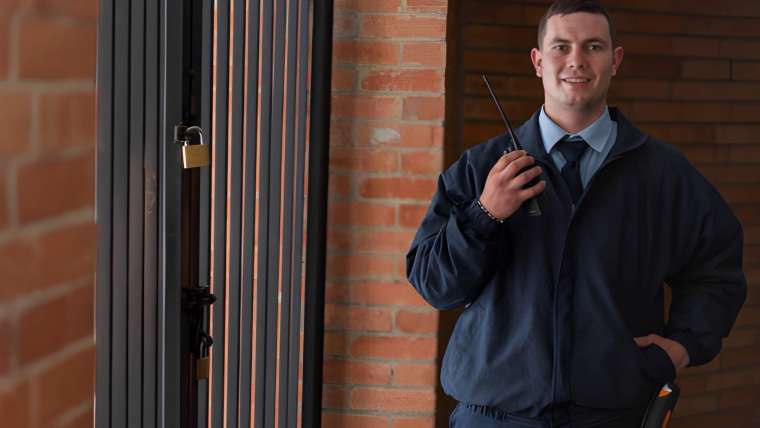

Choosing the right SIA course is one of the most crucial decisions for anyone embarking on a security career in the UK. With the security industry continuing to grow across sectors such as retail, events, hospitality, construction and corporate environments, many aspiring professionals wonder whether they should pursue an SIA CCTV licence or an SIA Door Supervisor licence.
Both routes offer excellent opportunities, but they lead to different working environments and skill sets. Suppose you are preparing to begin your training journey. In that case, you may want to explore reputable providers such as JFK Tech Training UK, which offers recognised SIA training options designed for both beginners and experienced operatives.
Before choosing between these two licensing pathways, it is important to understand how each course works, what job responsibilities it leads to, and how the UK security market values each qualification. In this guide, we will evaluate the difference between SIA CCTV vs Door Supervisor courses in the UK so you can confidently select the route that aligns with your career goals.
Understanding SIA Licensing Requirements in the UK
The Security Industry Authority (SIA) regulates the private security sector in the UK. Anyone who works in a licensable security role must complete SIA-approved training and obtain the relevant licence. These licences ensure public safety and maintain high professional standards within the industry.
To be eligible for either the CCTV licence or the Door Supervisor licence, you must meet the following requirements:
- Be at least 18 years old
- Possess the right to work in the UK
- Pass identity verification
- Complete an SIA-recognised training course
- Undergo criminal background checks
Each licence type supports different job roles, which is why understanding their differences is essential for career planning.
To explore options and compare different course formats, you can visit dedicated training pages, such as a security training course, for more information on course availability and requirements.
What the SIA CCTV Course Covers
The SIA CCTV (Public Space Surveillance) course prepares candidates for roles involving monitoring and operating CCTV systems. It focuses on observation, reporting and evidence collection. The training is structured to improve your understanding of surveillance techniques as well as legal obligations associated with public space monitoring.
Training modules generally include
- Principles of CCTV operation
- Legislation and data protection
- Surveillance techniques
- Identifying suspicious behaviour
- Use of radio communication
- Preparing evidence for police or investigations
CCTV operators typically work in control rooms rather than on the frontline. This makes the role suitable for individuals who prefer a quieter, observation-based job where attention to detail is crucial.
Key benefits of the CCTV Licence
- Low physical demands
- Stable and controlled work environment
- Strong demand in retail, corporate and local authority sectors
- Opportunity to progress into control room supervision or management
These advantages make the CCTV course an excellent option for candidates with strong analytical skills who enjoy structured environments.
What the SIA Door Supervisor Course Covers
The Door Supervisor course provides broader training and qualifies individuals for various frontline roles across venues, events and licensed premises. It is considered one of the most versatile and in-demand licences in the UK security industry.
Training modules typically include
- Conflict management
- Customer communication
- Physical intervention training
- Incident reporting
- Crowd management and entry control
- Emergency procedures
Door supervisors often act as the first point of contact for members of the public. They must demonstrate professionalism, confidence and strong communication while maintaining safety and order within a venue.
Key benefits of the Door Supervisor Licence
- Access to a wide range of job roles
- Higher frequency of part-time, full-time and event-based shifts
- Additional earning potential through night and weekend work
- Useful interpersonal and conflict management skills that apply across industries
Overall, the Door Supervisor licence appeals to individuals who enjoy engaging with customers, working in dynamic environments and handling a variety of situations.
SIA CCTV vs Door Supervisor Courses: Core Differences Explained
Although both licences are approved by the SIA, their working environments and responsibilities differ significantly. Understanding these differences will help you decide which fits your career preferences.
Nature of the Work
The CCTV role focuses on monitoring and reporting from a control room. It requires consistent observation, confidentiality and accuracy.
Door supervision is customer-facing, requiring communication, conflict resolution and situational awareness in active settings.
Level of Physical Activity
CCTV work is primarily desk-based, suitable for those who prefer a low-intensity role.
Door supervision involves a moderate level of physical activity, including managing queues, conducting searches and implementing safety procedures.
Job Availability
Door supervisors typically experience frequent job opportunities due to high demand in events and nightlife sectors.
CCTV roles are also widely available, especially in retail, corporate buildings and public sectors, though they are fewer compared to frontline positions.
Salary Expectations
Door supervisors often earn slightly higher due to shift patterns and hours.
CCTV operators earn stable incomes with structured work schedules and less variability in shift patterns.
Versatility of the Licence
A Door Supervisor licence also allows you to work in security guard roles, providing greater flexibility.
The CCTV licence is more specialised but provides excellent career progression within surveillance and control room environments.
Cost Comparison Between CCTV and Door Supervisor Training
Training costs vary depending on the training provider, course format and region. Door Supervisor training generally costs slightly more because it includes physical intervention modules, which require a qualified trainer and practical assessments.
In addition to the course cost, you must also pay the SIA licence fee after passing. While both licences require renewal, the investment is worthwhile because of the ongoing demand for trained security operatives across the UK.
When comparing overall costs, consider not just the price of the course but also the earning potential and flexibility each licence provides. This ensures you make an informed decision aligned with your long-term goals.
Career Paths and Progression Opportunities
CCTV Licence Career Paths
- CCTV operator
- Control room assistant
- Security monitoring specialist
- Evidence review technician
- Control room supervisor
CCTV experience can also lead to roles in investigation support or intelligence analysis within large organisations.
Door Supervisor Licence Career Paths
- Door supervisor
- Event security operative
- Retail or corporate security officer
- Festival and stadium steward
- Security team leader or supervisor
Door Supervisor training can also be the first step toward advanced qualifications such as Close Protection or Security Management.
Which SIA Course Should You Choose?
Making the right choice depends on your personality, physical ability, and professional ambitions. Consider the following when deciding:
- Choose CCTV if you prefer analytical tasks, structured environments, steady hours, and low physical demands.
- Choose Door Supervisor if you enjoy customer interaction, active environments, varied duties and higher job availability.
- Choose both licences if you want to maximise job opportunities and maintain long-term flexibility.
Many security professionals eventually obtain both licences to increase their employability and access more job roles throughout the year.
Conclusion
Choosing between SIA CCTV vs Door Supervisor courses in the UK ultimately depends on your preferred working environment, strengths, personality and long-term career goals.
Both licences offer excellent opportunities in the growing security sector. If you are beginning your journey or exploring your next step, consider researching trusted training providers that offer structured, compliant and effective programmes.
If you would like personalised guidance or want to enrol on a course, visit us for direct assistance and support.