
Introduction
Modern workplaces no longer treat safety as a box-ticking exercise. Businesses now recognise that employee well-being directly influences productivity, reputation, and long-term success. Among the most critical elements of workplace safety is first aid training. Companies that invest in this area do more than comply with regulations they build resilience, confidence, and trust within their teams.
First aid at work has evolved from being a reactive measure to a proactive business strategy. Smart organisations understand that emergencies don’t come with warnings, and when they happen, immediate response can make the difference between recovery and tragedy.
The Real Value of First Aid Training in the Workplace
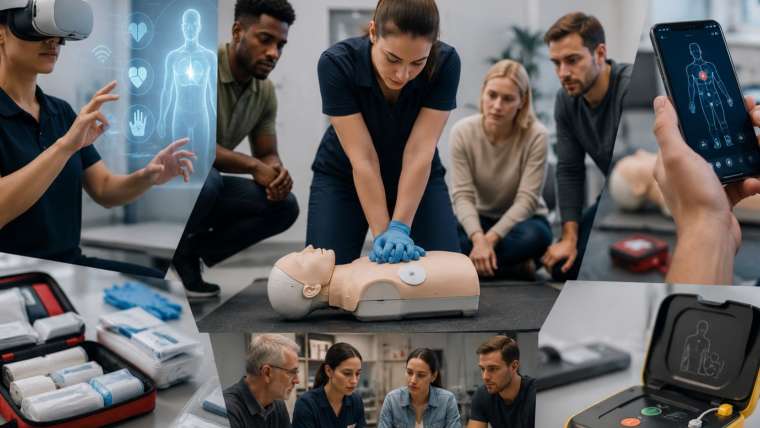
First aid training equips employees with practical skills to handle emergencies such as injuries, cardiac arrest, choking, burns, and sudden illness. But beyond the technical knowledge, it builds a culture of awareness.
When employees know how to respond, panic reduces and action increases. A trained individual can stabilize a situation before professional medical help arrives. This immediate response often prevents minor incidents from becoming severe.
From a business perspective, the benefits extend further:
- Reduced downtime after incidents
- Lower insurance costs over time
- Increased employee confidence and morale
- Stronger compliance with safety regulations
Organisations that prioritise first aid training signal that they value their workforce not just as employees, but as people.
Why Smart Businesses Are Taking It Seriously

Forward-thinking companies no longer wait for accidents to happen before acting. They integrate first aid training into their core operational strategies.
Several factors drive this shift:
1. Legal and Compliance Pressure
Governments across the world have strengthened workplace safety regulations. Businesses must ensure that trained first aiders are available during working hours. Failing to comply can lead to penalties, lawsuits, or reputational damage.
2. Rising Awareness of Mental and Physical Health
First aid training now includes mental health awareness in many programmes. Employees learn how to respond to stress, anxiety, and panic attacks, making workplaces more supportive environments.
3. Risk Management Strategy
Companies increasingly view first aid training as part of risk mitigation. Prepared employees reduce the severity of workplace incidents and improve recovery outcomes.
4. Brand Reputation
Customers and partners prefer organisations that demonstrate responsibility. A company known for prioritising safety builds trust and credibility.
Key Components of Effective First Aid Training

Not all training programmes deliver the same value. Effective first aid training focuses on practical, real-world application rather than theory alone.
Core elements include the following:
1. CPR and AED Usage
Employees learn how to perform cardiopulmonary resuscitation and use automated external defibrillators. These skills are critical during cardiac emergencies.
2. Injury Management
Training covers cuts, burns, fractures, and bleeding control. Quick intervention minimizes complications.
3. Emergency Response Planning
Employees understand how to assess situations, call for help, and coordinate response efforts.
4. Scenario-Based Learning
Simulated situations improve decision-making under pressure. People remember actions better when they practise them.
5. Regular Refreshers
Skills fade without practice. Smart businesses schedule periodic retraining to keep knowledge current.
The Impact on Workplace Culture

First aid training does more than prepare employees for emergencies; it reshapes workplace culture.
Employees who receive training feel more empowered. They take ownership of safety and look out for each other. This sense of shared responsibility strengthens teamwork and trust.
A workplace that prioritises safety also experiences the following:
- Lower employee turnover
- Higher engagement levels
- Improved communication during crises
- Greater overall job satisfaction
When people feel safe, they perform better. It’s a straightforward equation that many successful businesses understand well.
Also Read:- How to Start a Security Career in the UK
Financial Benefits That Often Go Overlooked

Many companies hesitate to invest in training due to perceived costs. However, the financial benefits often outweigh the initial expense.
Reduced Accident Costs
A quick response limits injury severity, reducing medical expenses and compensation claims.
Lower Insurance Premiums
Insurance providers often offer better rates to businesses with strong safety measures.
Minimized Productivity Loss
Faster recovery means less downtime and fewer disruptions to operations.
Avoidance of Legal Costs
Compliance with safety regulations protects businesses from fines and lawsuits.
In reality, first aid training is not a cost; it’s an investment with measurable returns.
Implementing First Aid Training: A Practical Approach

Businesses that succeed in implementing first aid training follow a structured approach.
Step 1: Assess Workplace Risks
Identify potential hazards based on industry, environment, and workforce size.
Step 2: Choose the Right Training Program
Select certified providers that offer hands-on, practical learning.
Step 3: Train Key Personnel
Ensure enough employees receive training to cover all shifts and departments.
Step 4: Equip the Workplace
Maintain accessible and well-stocked first aid kits and emergency equipment.
Step 5: Review and Improve
Regularly update training based on new risks or changes in operations.
Consistency matters. Training should not be a one-time event but an ongoing commitment.
The Future of First Aid in the Workplace

Technology continues to transform how businesses approach training.
Virtual reality simulations now allow employees to practise emergency scenarios in realistic environments. Online platforms make training more accessible, especially for remote teams.
Additionally, organisations are integrating wellness programmes with first aid training, addressing both physical and mental health.
The future points toward a holistic approach where safety, health, and well-being merge into a single strategy.
Conclusion
Smart businesses understand that safety is not optional, it is foundational. First aid training represents one of the most practical and impactful investments a company can make. It protects employees, strengthens culture, reduces costs, and enhances reputation. Take the next step in your career. Contact JFK Tech Training today to secure your spot in our upcoming CPCS sessions.
In an unpredictable world, preparation defines resilience. Organisations that prioritise first aid training don’t just respond better to emergencies; they create safer, stronger, and more responsible workplaces.
Frequently Asked Questions (FAQs)
First aid training enables employees to respond quickly during emergencies, reducing injury severity and potentially saving lives. It also improves workplace safety and compliance.
In many regions, regulations require workplaces to have trained first aiders. The exact requirements depend on the industry, location, and number of employees.
Most organisations recommend refresher training every 1–2 years to ensure skills remain effective and up-to-date.
Training typically includes CPR, AED usage, wound care, burns, fractures, choking response, and emergency communication.
Yes. It helps reduce medical expenses, insurance premiums, legal risks, and productivity loss caused by workplace incidents.
This depends on workplace size and risk level, but businesses should ensure coverage across all shifts and departments.
Many modern programs include basic mental health first aid, helping employees recognize and respond to stress and emotional distress.