
The London skyline is a perpetual masterpiece of engineering and ambition. From the towering glass of the Shard to the massive residential redevelopments in East London, the city is a playground for builders, engineers, and project managers. If you have ever looked at a major construction site and wondered how to get behind the hoardings, you are not alone. A career in construction offers stability, high earning potential, and the satisfaction of building something tangible.
However, you cannot simply walk onto a site in Canary Wharf or Westminster and ask for a job. The modern UK construction industry is built on a foundation of strict safety regulations and certified skills. To enter this world, you need a roadmap. This guide explores exactly how to launch your journey by choosing the right construction courses in London to ensure you are site-ready from day one.
Why London is the Land of Opportunity for Builders
London remains the hub of the UK’s construction activity. With the government’s focus on housing targets and infrastructure like the Thames Tideway and various rail upgrades, the demand for skilled workers has reached a fever pitch.
But there is a catch: modern contractors operate under “safety-first” mandates. They only hire individuals who can prove they understand the risks of a high-pressure environment. This is why the construction courses in London provided by specialized training centers are more than just classrooms; they are the gateways to your professional life. By getting certified in the capital, you place yourself directly in the sightlines of the country’s biggest Tier 1 contractors.
Step 1: The “”Passport”—Getting Your CSCS Card
If you are a complete beginner, your first objective is the CSCS (Construction Skills Certification Scheme) card. Without this, you will find it nearly impossible to gain access to a commercial site. The most common entry-level card is the Green Labourer Card.
To secure this, you must demonstrate a basic understanding of health and safety. Most people begin their journey by enrolling in construction courses in London that offer the Level 1 Award in Health and Safety in a Construction Environment. This course covers the essentials:
- How to identify common site hazards.
- The legal importance of personal protective equipment (PPE).
- Safe manual handling techniques to prevent long-term injury.
- Working at heights and basic fire safety.
Once you pass this course and the CITB Health, Safety, and Environment test, you can apply for your card and start looking for work.
Step 2: Choosing Your Specialization
Construction is not a “one size fits all” industry. After you have spent a few months on-site and understand the flow of a project, you need to decide where you want to specialize. The industry broadly splits into three paths:
The Skilled Trades
This is for the craftsmen. Carpentry, bricklaying, plumbing, and electrical work. These roles require hands-on NVQs (National Vocational Qualifications). Even if you are a master of your craft, you will still return to take specific construction courses in London to update your safety certifications as regulations change.
Plant Operation
If you prefer machinery over manual tools, you might aim to become a plant operator. Driving a 360 excavator, a dower, or a telescopic handler requires specialized CPCS (Construction Plant Competence Scheme) training. Operators are some of the most respected and well-paid specialists on any project.
Management and Supervision
For those with natural leadership skills and a sharp eye for detail, the management track is the most lucrative. This path takes you away from the tools and into the site office, where you oversee the safety and progress of the entire team.
Step 3: Moving into Leadership (SSSTS)
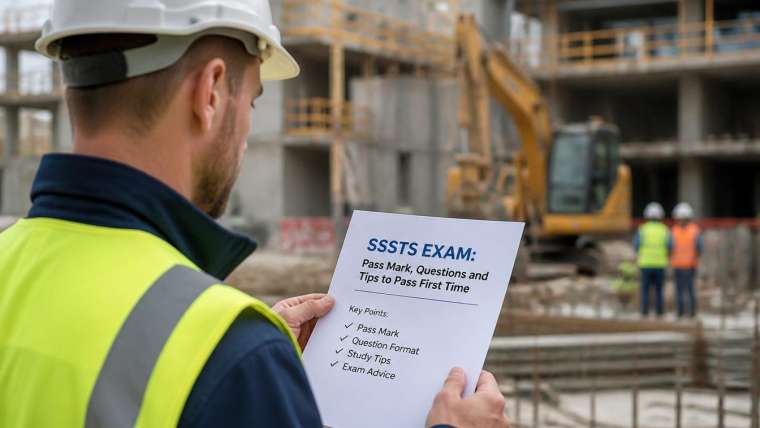
Once you have established yourself as a reliable worker, you shouldn’t stay at the entry level forever. The industry is currently facing a massive shortage of supervisors. If you want to move into a “Foreman” or “Ganger” role, you need the SSSTS (Site Supervisor Safety Training Scheme).
When you look for supervisory construction courses in London, you are looking for a program that shifts your mindset from “doing” to “leading.” You will learn how to carry out site inductions, monitor the safety of your crew, and lead “toolbox talks.” Being a supervisor in London requires excellent communication skills, as you will often manage a diverse, multicultural workforce.
Step 4: Reaching the Top (SMSTS)
The ultimate goal for many is the SMSTS (Site Management Safety Training Scheme). This is widely considered the gold standard for site management. It is a five-day intensive course designed for project managers, site managers, and business owners.
A site manager in London handles multi-million-pound budgets and hundreds of lives. The construction courses in London for SMSTS cover deep-level legislation, environmental management, and the implementation of high-level safety policies. Holding an SMSTS certificate proves to an employer that you can keep a site safe, legal, and profitable.
Finding the Right Training Centre in London
With so many options available, choosing where to study is a critical decision. Not all training providers are equal. When you search for the best construction courses in London, look for a provider that offers:
- Full Accreditation: Ensure they are recognized by CITB and other governing bodies.
- Experienced Tutors: You want to learn from people who have actually worked on London sites, not just people reading from a textbook.
- Location and Access: London is a busy city. Choosing our JFK Tech Training—located conveniently at the CEME Innovation Centre—saves you time and ensures you are learning in a professional, modern environment.
- Fast Certification: In construction, time is money. You need a provider that processes your results quickly so you can get back to work.
The Long-Term Value of Your Education
A career in construction is a marathon, not a sprint. The industry is constantly evolving with new technologies like Building Information Modelling (BIM) and green energy requirements. By establishing a relationship with a trusted training provider, you ensure that your skills never go out of date.
Returning to take refresher construction courses in London every few years is not just a legal requirement; it is a career strategy. It shows your employers that you are a dedicated professional who takes the safety of the public and your team seriously.
Take Charge of Your Future Today
The barriers to entry in the construction world are there for a reason—they ensure that only the most prepared and professional individuals build our cities. By investing in your education and choosing the right construction courses in London, you are doing more than just getting a job; you are building a career that can support you and your family for a lifetime.
Whether you are looking for your first CSCS card or you are an experienced pro looking to move into management, the path is clear. Visit our Construction Courses page today to see our upcoming schedule and secure your place on the next intake. The London skyline is waiting; go and make your mark on it.
Frequently Asked Questions
Absolutely. Many of our courses, especially the CSCS Level 1 Health and Safety, are designed specifically for people who are new to the industry. We provide all the support you need to pass your initial tests.
It depends on the level. Basic safety courses for your CSCS card take 1 day. Supervisory (SSSTS) courses take 2 days, and Management (SMSTS) courses take 5 days. We often offer weekend classes to fit around your work schedule.
No, but you do need a valid right to work in the UK and a basic understanding of English to complete the health and safety assessments, as site safety instructions are primarily given in English.
Certificates like SSSTS and SMSTS expire every five years. If you take a “Refresher” course before your current certificate expires, you only need to attend for 1 or 2 days instead of the full week. If you let your certificate expire, you must take the full course again.
Entry-level labourers in London can expect to earn between £12 and £15 per hour. However, once you move into supervision or management with SSSTS or SMSTS qualifications, salaries can range from £40,000 to over £70,000 per year, depending on the project.